
Hormones act as chemical messengers throughout the body, helping regulate functions such as energy, mood, sleep, metabolism, sexual health, and reproductive health. As hormone levels change with age, some women and men may experience symptoms that affect how they feel and function in everyday life.
Bio-identical hormone replacement therapy (BHRT) is one approach that may be considered for addressing certain hormone-related symptoms. Hormone pellets are one method of delivering prescribed hormones over an extended period, offering an alternative to options such as pills, creams, patches, gels, or injections.
Dr. James Mirabile and the team at Mirabile M.D. take a personalized approach to hormone therapy, considering each patient’s symptoms, health history, laboratory findings, and individual wellness goals before recommending treatment.
Here are answers to some commonly asked questions about bio-identical hormone pellet therapy.
Q: What Is Bio-Identical Hormone Replacement Pellet Therapy?
A: Bio-identical hormones are chemically identical to hormones naturally produced by the human body. Depending on a patient’s individual needs, hormone therapy may be used to supplement certain hormones when clinically appropriate.
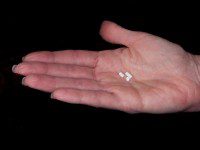
Pellet therapy uses small, solid hormone-containing implants that are placed beneath the skin. Depending on the treatment plan, pellets may contain hormones such as estradiol or testosterone.
Once placed, the pellets gradually release the prescribed hormone over time. This provides ongoing hormone delivery without requiring patients to remember a daily medication or regularly apply a topical treatment.
Because hormone needs vary considerably from person to person, treatment should always begin with a medical evaluation to determine whether BHRT and pellet therapy are appropriate.
Q: How Does Pellet Therapy Differ From Other Hormone Therapy Methods?
A: Hormone replacement therapy can be administered in several ways, including pellets, injections, pills, patches, creams, and gels. Each method has its own advantages and considerations, and there isn’t one delivery method that’s best for every patient.
One of the primary differences with pellet therapy is convenience. After the small pellets are inserted beneath the skin, they gradually release hormones over an extended period, eliminating the need for daily dosing between appointments.
Pellets also have an important consideration: once inserted, the dose cannot be adjusted as easily as some other forms of hormone therapy. That’s why careful evaluation, appropriate laboratory testing, and ongoing monitoring are important.
Your provider can discuss the available hormone replacement therapy options and help determine which approach best aligns with your individual health needs and lifestyle.
Q: What Happens During Hormone Pellet Placement?
A: Hormone pellet placement is a relatively brief in-office procedure. The pellets are typically inserted beneath the skin in the upper buttock or hip area through a small incision.
After placement, your provider will explain how to care for the treatment area and whether you should temporarily modify exercise or other activities while the insertion site heals.
The frequency of future pellet placement varies based on factors such as the prescribed hormone, dosage, individual metabolism, symptoms, and response to treatment. Rather than following the same schedule for everyone, your provider will recommend follow-up care based on your individual treatment plan.
Q: Why Is Bloodwork Important for Hormone Therapy?
A: Laboratory testing can provide valuable information about your hormone levels and overall health. Your provider may recommend bloodwork before treatment and at appropriate intervals afterward to help guide your care.
However, hormone levels are only one part of the picture. Your symptoms, medical history, current medications, health risks, treatment goals, and response to therapy should also be considered.
Ongoing evaluation helps your provider determine whether your treatment remains appropriate and whether adjustments should be considered before future pellet placement.
Q: What Are the Potential Benefits of Hormone Pellet Therapy?
A: For appropriate candidates, one of the main advantages of pellet therapy is convenient, extended hormone delivery. Patients don’t have to remember a daily pill or regularly apply a cream or gel between treatments.
Depending on the individual and the reason hormone therapy is prescribed, treatment may be considered for certain symptoms associated with menopause, changing hormone levels, or clinically evaluated testosterone deficiency.
Results and experiences vary, which is why treatment should be personalized rather than based on a one-size-fits-all approach.
Q: Are There Any Disadvantages to Hormone Pellets?
A: Yes. Although pellets can be convenient, they require a minor insertion procedure and aren’t as easily adjusted after placement as some other hormone delivery methods.
Temporary tenderness, bruising, swelling, or redness may occur around the insertion area. Other risks and considerations are possible, and your healthcare provider should discuss these with you before treatment.
Understanding both the potential advantages and limitations can help you make an informed decision about whether pellets are right for you.
Q: Is Bio-Identical Hormone Pellet Therapy Right for Me?
A: Pellet therapy isn’t appropriate for everyone. The decision to begin hormone replacement therapy should be based on an individualized medical evaluation rather than symptoms alone.
Your provider can review your health history, symptoms, medications, laboratory findings, risk factors, and treatment goals. If hormone therapy is appropriate, you can then discuss pellets and other available delivery methods to determine which option makes the most sense for you.
At Mirabile M.D. in Overland Park, Kansas, our team provides personalized hormone therapy for women and men with care designed around each patient’s individual needs.
Have questions about bio-identical hormone pellet therapy? Contact Mirabile M.D. at 913-888-7546 to schedule an appointment and discuss your hormone therapy options.
James Mirabile, M.D., FACOG