Collagen might be the most overused word in skin care marketing—but behind the hype lies real science. As we age, collagen—the protein responsible for firmness, elasticity, and skin strength—declines. The result? Sagging, wrinkles, dullness, and skin that just doesn’t bounce back like it used to.
That’s where collagen stimulation comes in. From high-tech lasers to microneedling and injectable biostimulators, today’s aesthetic treatments are designed to reignite your skin’s collagen production from the inside out. The result: naturally firmer, smoother, more youthful-looking skin that doesn’t rely on heavy filler or surgery.
In this guide, we’ll break down exactly what collagen stimulation is, how it works, and which treatments deliver the best results for long-term skin health.
Jump To:
TLDR – Quick Guide
- Collagen stimulation helps the skin rebuild structure and elasticity through controlled injury or biological signaling.
- Aging, sun damage, and lifestyle factors reduce collagen levels over time.
- Top collagen-stimulating treatments include microneedling, radiofrequency, laser resurfacing, and biostimulating injectables.
- Results are gradual and long-lasting, making them ideal for natural-looking rejuvenation.
- Clinics like Mirabile M.D. offer advanced, physician-supervised treatments that trigger your skin’s collagen without downtime-heavy procedures.
What Is Collagen and Why Does It Matter?
Collagen is the most abundant protein in your body, and in the skin, it acts like scaffolding—keeping things firm, lifted, and hydrated. It works alongside elastin (for bounce) and hyaluronic acid (for moisture), making up the structural foundation of youthful skin.
But here’s the kicker:
- By age 30, your body produces about 1% less collagen each year.
- By age 50, you’ve lost up to 30% of your collagen.
- Factors like UV exposure, stress, poor sleep, and diet can speed up this breakdown.
Without sufficient collagen, skin starts to:
- Lose volume and firmness
- Develop fine lines and wrinkles
- Appear thinner, crepier, and more fragile
That’s why collagen stimulation is now a cornerstone of anti-aging and skin rejuvenation treatments.
What Is Collagen Stimulation?
Collagen stimulation refers to the process of triggering your body’s natural wound-healing response to generate new collagen fibers. This can happen through:
- Controlled skin injury (as in microneedling or laser treatments)
- Thermal stimulation (via radiofrequency or ultrasound)
- Injectable biostimulators that encourage fibroblast activity
In each case, the treatment sends a signal to your skin: “Hey, repair this!” Your body responds by building fresh, new collagen in the treated areas.
Top Treatments That Trigger Collagen Stimulation
1. Microneedling (Collagen Induction Therapy)
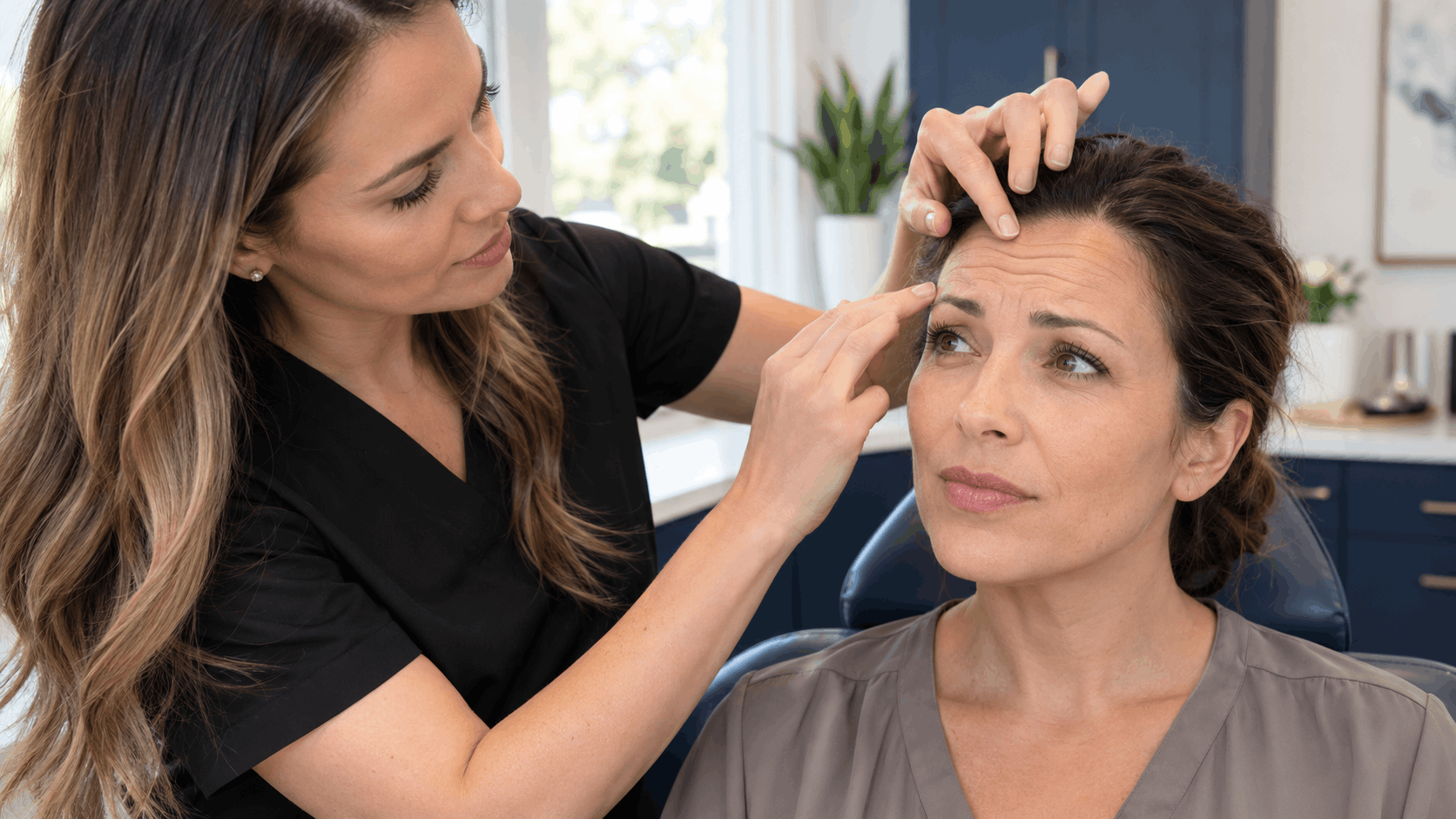
Microneedling uses fine needles to create micro-injuries in the skin, which activates fibroblasts (collagen-producing cells). Over time, skin becomes:
- Firmer and thicker
- Smoother in texture
- More even in tone
Adding radiofrequency (RF microneedling) amplifies results by delivering heat into deeper layers of the dermis, further enhancing collagen remodeling.
Great for: Fine lines, acne scars, enlarged pores, and overall texture.
2. Laser Resurfacing (Fractional & Ablative)
Laser treatments like fractional CO2 or erbium lasers remove damaged skin and heat the deeper layers to kickstart collagen production. While more intense, these treatments often deliver dramatic improvements in firmness and elasticity.
Great for: Deep wrinkles, sun damage, and skin laxity.
3. Radiofrequency Skin Tightening
Devices like ThermiSmooth, Exilis, or Morpheus8 use radiofrequency energy to heat the dermis and stimulate collagen from below the surface. These are non-invasive or minimally invasive options with little to no downtime.
Great for: Mild to moderate sagging skin, especially around the jawline, cheeks, and neck.
4. Injectable Collagen Biostimulators
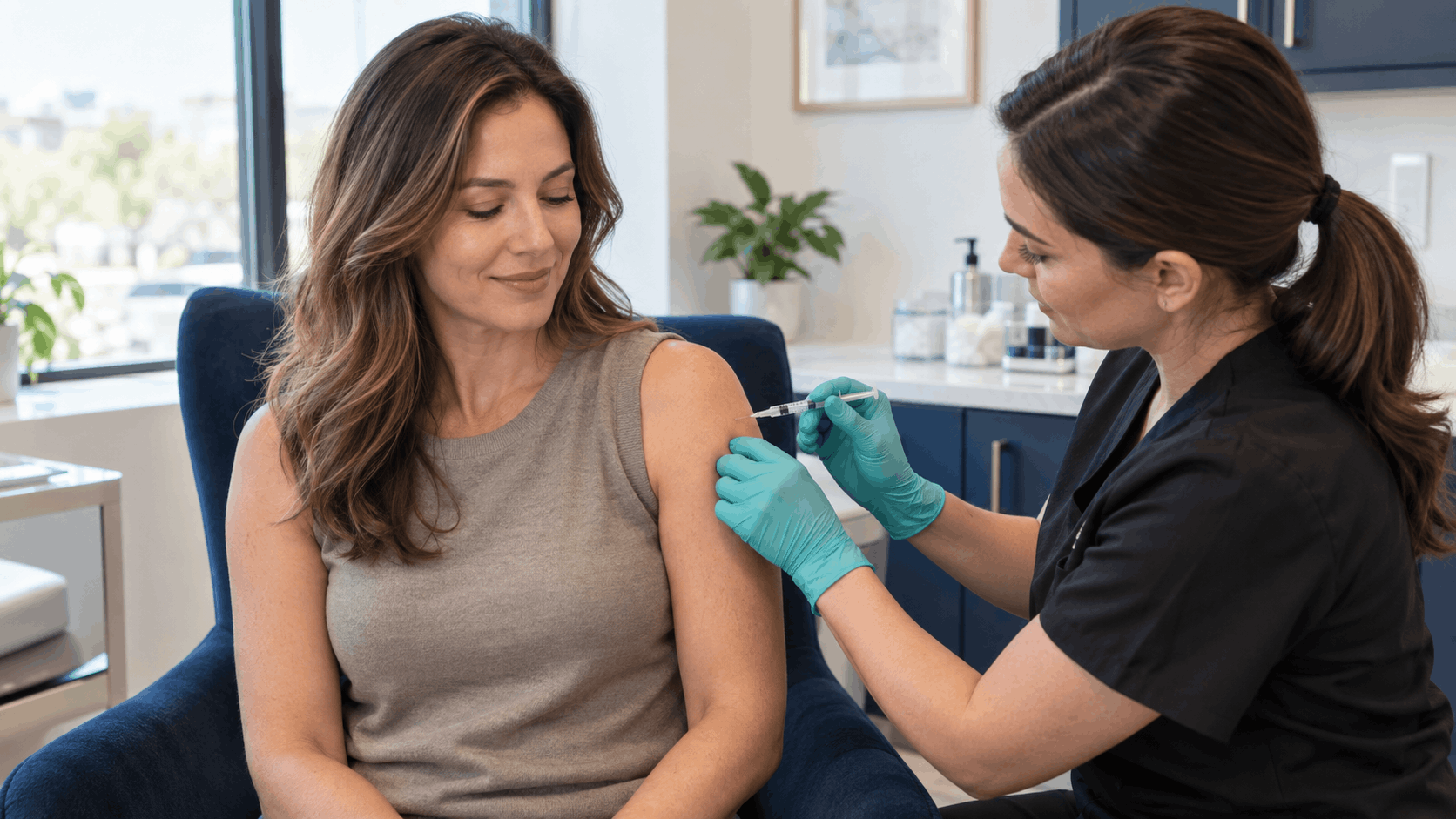
Unlike dermal fillers that add volume instantly, biostimulants like Sculptra or Radiesse work gradually by stimulating your own collagen over weeks to months.
These are perfect for patients who want long-lasting, natural-looking facial volume and skin firmness without looking “filled.”
Great for: Cheeks, temples, jawline, and even décolletage.
5. PRP (Platelet-Rich Plasma)
Often combined with microneedling, PRP uses your own blood’s growth factors to accelerate healing and collagen growth. It’s a favorite among patients looking for natural, regenerative treatments.
Great for: Younger patients, post-acne scarring, and early signs of aging.
How Long Do Collagen Stimulation Results Take?
Unlike fillers or Botox, collagen stimulation results are not immediate—and that’s a good thing. The collagen-building process takes time, but results are longer-lasting and more natural.
- Initial changes: Visible in 3–6 weeks
- Peak results: Often seen at 3–6 months
- Longevity: Improvements can last 1–2 years with proper skincare and maintenance
Maintenance treatments 1–2 times a year can keep collagen levels high and skin looking firm.
Who’s a Good Candidate for Collagen Stimulation?
Almost anyone looking to improve their skin tone, texture, or firmness can benefit. It’s especially great for those who:
- Want natural results without looking “overdone”
- Prefer gradual improvements
- Have early to moderate signs of aging
- Aren’t ready for surgical interventions
- Want to combine skin tightening with volume correction
Your provider will help determine which treatment (or combination) is best based on your goals, skin type, and age.
Key Takeaways
- Collagen stimulation is the foundation of modern, natural-looking anti-aging skin care.
- It works by triggering your body’s own repair system to rebuild structure and firmness.
- Technologies like microneedling, lasers, radiofrequency, and injectables all stimulate collagen in unique ways.
- Results are gradual but long-lasting and highly customizable.
- For best outcomes, partner with expert-led clinics like Mirabile M.D., where your treatment plan is tailored for results you can feel—and see.
FAQs
1. Is collagen stimulation safe for all skin types?
Most treatments are safe for all skin tones, especially RF microneedling and biostimulants. Your provider will recommend the best match based on your skin type.
2. Can I combine collagen-stimulating treatments?
Yes! Many patients combine microneedling with PRP, or alternate RF and injectables for layered, powerful results.
3. How often should I do collagen stimulation treatments?
It depends on the method. Microneedling may be done monthly for a few sessions, while biostimulators like Sculptra are done 1–2 times a year.
4. Will I need downtime?
Most collagen treatments have minimal downtime—expect redness or swelling for 24–48 hours. Lasers may require longer recovery depending on depth.
5. How do I maintain my results?
Protect your investment with SPF, a collagen-boosting skincare routine, and maintenance treatments every 6–12 months.