Stress isn’t just a feeling—it’s a full-body experience, and your skin is often the first to show signs of trouble. From breakouts to dullness and premature aging, the link between stress and skin health is more than skin deep. If you’ve ever noticed a flare-up before a big presentation or a stubborn rash during a tough season, you’re not imagining things. Understanding how stress impacts skin health—and more importantly, how to break the cycle—can be the secret weapon in your skincare arsenal.
Jump To:
TLDR – Quick Guide
- Stress hormones: Cortisol surges during stress, disrupting the skin barrier and triggering inflammation.
- Visible symptoms: Acne, eczema, psoriasis, dryness, and dullness are all stress-responsive conditions.
- Medically proven solutions: Combine lifestyle changes, professional treatments, and targeted skincare for best results.
- Break the cycle: Prioritize sleep, manage stress, and consider therapies that address both body and mind.
- Seek professional help: Persistent skin issues may signal the need for a comprehensive approach with a trusted provider.
Detailed Breakdown
How Stress Impacts Skin Health
The Science Behind the Connection
Stress activates the body’s “fight or flight” response, flooding the bloodstream with cortisol and other hormones. While this helps in emergencies, chronic stress keeps these chemicals elevated, sabotaging the skin’s natural balance. The result? Increased oil production, inflammation, and a weakened skin barrier, making your complexion more vulnerable to breakouts, irritation, and infections.
Common Skin Issues Linked to Stress
- Acne: Stress triggers the sebaceous glands to ramp up oil production, fueling clogged pores and breakouts.
- Eczema and Psoriasis: Stress is a major trigger for flare-ups in chronic inflammatory skin conditions.
- Hives and Rashes: Heightened stress can cause or worsen itching, redness, and allergic responses.
- Premature Aging: Ongoing stress degrades collagen and elastin, speeding up wrinkles and sagging.
- Dryness and Dullness: Stress reduces the skin’s ability to retain moisture, leading to lackluster, flaky skin.
Medically Proven Ways to Break the Cycle
1. Targeted Stress Management
Consistent exercise, mindfulness techniques, and structured routines help lower baseline stress levels. Even 10 minutes a day of deep breathing or meditation can make a measurable difference in skin clarity and resilience.
2. Optimize Sleep for Skin Repair
Quality sleep is when your skin does most of its repair work. Aim for at least seven hours a night, and keep electronics out of the bedroom to limit sleep-disrupting blue light.
3. Use Evidence-Based Skincare
Look for skincare products with ingredients proven to soothe and repair stressed skin, such as hyaluronic acid, ceramides, and niacinamide. Avoid harsh scrubs or overly drying products, as these can make stress-related issues worse.
4. Professional Treatments
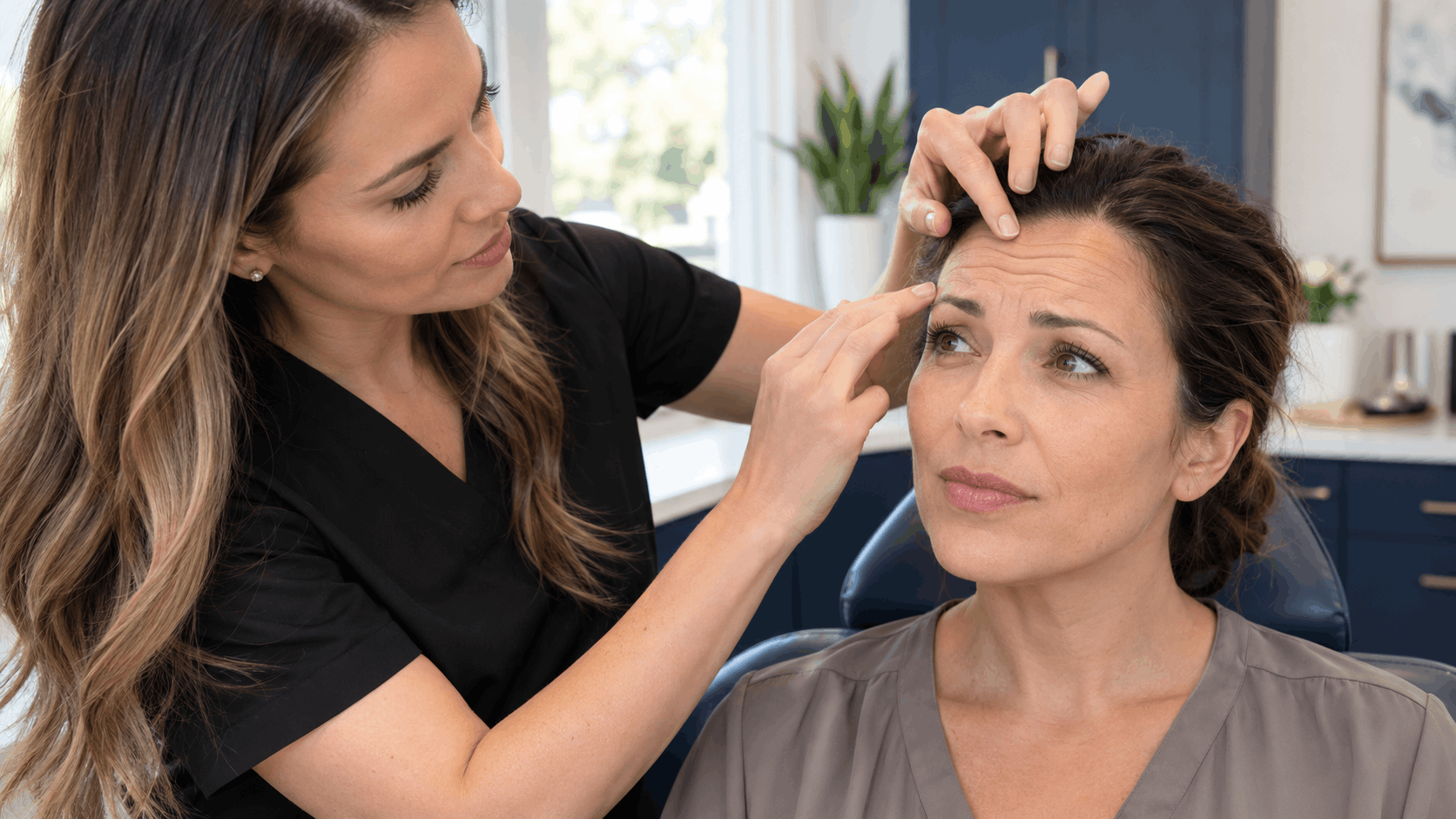
Medical facials, light therapy, and prescription creams can reduce inflammation and promote faster skin recovery. Consulting with a skincare provider ensures your routine is tailored to your skin’s unique stress triggers.
5. Address Hormonal Imbalances
If stress is persistent or severe, underlying hormone imbalances may be at play. Bloodwork and a professional consultation can pinpoint causes and guide you to advanced therapies that restore whole-body harmony—and radiant skin.
Key Takeaways
- Stress impacts skin health by fueling inflammation, oiliness, and barrier breakdown.
- The most common signs are acne, rashes, dryness, and premature aging.
- Medically proven strategies—stress reduction, expert skincare, quality sleep, and professional support—can help you break the cycle and restore your glow.
- Persistent symptoms should be evaluated by a healthcare provider for a targeted, effective plan.
Frequently Asked Questions
1. Can stress really cause acne and rashes?
Yes, elevated cortisol levels stimulate oil glands and disrupt the skin barrier, leading to more breakouts and irritation. Stress can also worsen chronic skin issues like eczema and psoriasis.
2. How quickly will my skin improve if I reduce stress?
Improvement varies, but many people notice changes within a few weeks of consistent stress management and a gentle skincare routine. Severe or chronic symptoms may require professional intervention.
3. Are there specific treatments for stress-related skin issues?
Yes, medical facials, light therapy, prescription topicals, and sometimes oral medications can address stress-induced skin conditions. Your provider can help you choose the most effective options.
4. Does diet play a role in stress and skin health?
Absolutely. Eating a balanced diet rich in antioxidants and omega-3 fatty acids can support your skin’s resilience to stress. Hydration is also crucial for maintaining a healthy skin barrier.
5. When should I see a doctor for stress-related skin problems?
If symptoms are severe, persistent, or affect your quality of life, it’s time to consult a healthcare provider. Chronic skin conditions may require a combination of medical and lifestyle strategies for lasting results.