Under-eye circles can feel like your eyes are telling a story you didn’t authorize—fatigue, aging, and stress all wrapped into one unflattering look. At Mirabile M.D. Beauty, Health & Wellness, we’ve helped countless clients achieve brighter, more youthful eyes using Platelet-Rich Plasma (PRP). But does PRP for under-eye circles truly deliver the results you’re looking for?
Let’s break down the science and give you our clinical perspective.
Jump to:
TLDR – Quick Guide
- PRP leverages your body’s healing capabilities to rejuvenate under-eye skin.
- Ideal for individuals struggling with dark circles, mild puffiness, and fine lines.
- A non-surgical, minimally invasive procedure performed in-office.
- Results are typically visible within weeks and continue improving over months.
- Highly personalized, with outcomes dependent on your skin type and concerns.
Detailed Breakdown
What Exactly is PRP?
Platelet-Rich Plasma (PRP) treatment involves extracting your blood, isolating nutrient-rich platelets, and injecting this plasma back into the treatment area—in this case, your under-eye skin. Platelets naturally stimulate collagen and elastin production, two essential proteins that restore skin volume and reduce darkness and puffiness.
How Does PRP Work on Under-Eye Circles?
Under-eye circles and hollowness are primarily caused by aging, thinning skin, or volume loss. PRP combats these issues by:
- Increasing Collagen Production: New collagen makes your under-eye area firmer and more youthful.
- Improving Blood Flow: Enhanced circulation reduces discoloration, brightening your skin.
- Natural Regeneration: Because PRP comes from your own body, there’s minimal risk of adverse reactions.
Who Should Consider PRP?
You might benefit from PRP if you have:
- Dark circles or hollowing under the eyes
- Fine lines and wrinkles
- Mild puffiness
- Tired-looking eyes, despite adequate rest
At Mirabile M.D., our expert aesthetic specialists personalize every PRP treatment, ensuring each session is tailored precisely to your unique needs and aesthetic goals.
What Does the Treatment Entail?
The entire process typically takes under an hour:
- Blood Draw: A small amount of your blood is collected.
- Plasma Separation: Blood is centrifuged to isolate platelet-rich plasma.
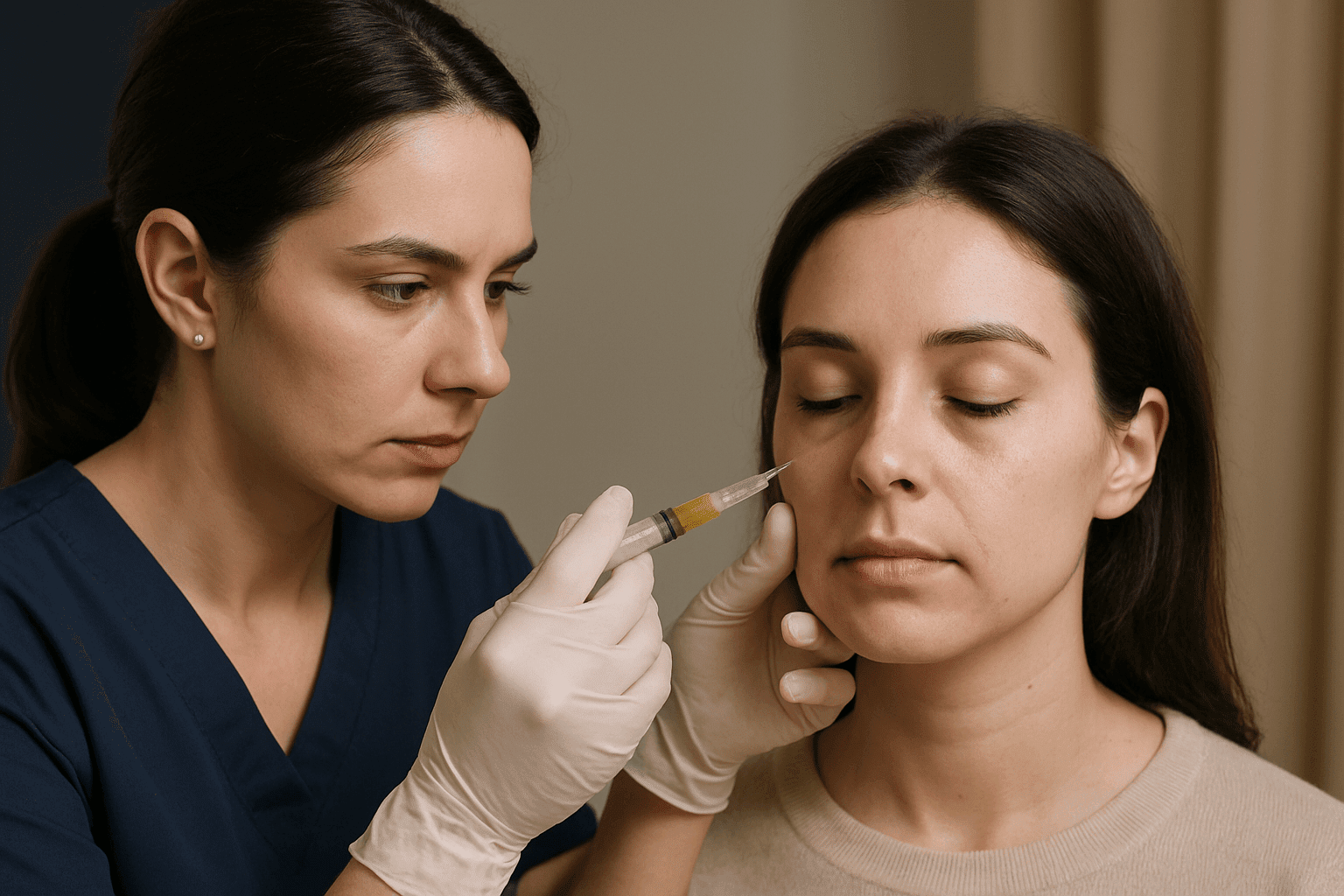
- Injection: PRP is carefully injected into targeted areas around your eyes.
The procedure is virtually painless, thanks to topical anesthetics, and most clients report minimal discomfort or downtime.
Results: What to Expect?
Most clients begin noticing improvements within a few weeks. However, optimal results often require a series of 2-3 treatments spaced several weeks apart. The rejuvenation process continues over months as collagen production steadily increases.
Our Clinical Take
At Mirabile M.D., PRP is a preferred method for treating under-eye concerns due to its impressive combination of safety, effectiveness, and natural-looking results. Many patients enjoy significant improvements in under-eye darkness, firmness, and overall appearance. However, patient outcomes can vary based on factors such as skin condition, genetics, and lifestyle habits.
Our team ensures thorough consultations and realistic expectations are set, providing continuous support throughout the treatment journey.
Key Takeaways
- PRP effectively treats under-eye circles by boosting collagen and elastin naturally.
- Results typically appear gradually, improving over several months.
- PRP is safe, minimally invasive, and requires minimal downtime.
- Outcomes are personalized, varying based on individual skin concerns and treatment plans.
- Mirabile M.D. offers expert, personalized care to ensure optimal patient satisfaction.
FAQs
1. Is PRP treatment painful?
Most patients experience only mild discomfort due to the small injections and topical anesthetic used during the treatment. Any minor swelling or bruising typically resolves quickly.
2. How long do PRP results last?
Results can last between 6 to 12 months, depending on your skin condition and lifestyle. Maintenance treatments are recommended to sustain optimal outcomes.
3. How many PRP treatments are required?
Typically, 2 to 3 treatments spaced 4 to 6 weeks apart provide the best results. Your exact plan will depend on your skin’s unique needs.
4. Are there side effects from PRP?
Side effects are usually minimal—temporary bruising, swelling, or redness can occur but generally subside within a few days.
5. Who is not a candidate for PRP?
Individuals with blood disorders, active infections, or certain autoimmune conditions may not be suitable candidates. At Mirabile M.D., we thoroughly evaluate your medical history during consultations.