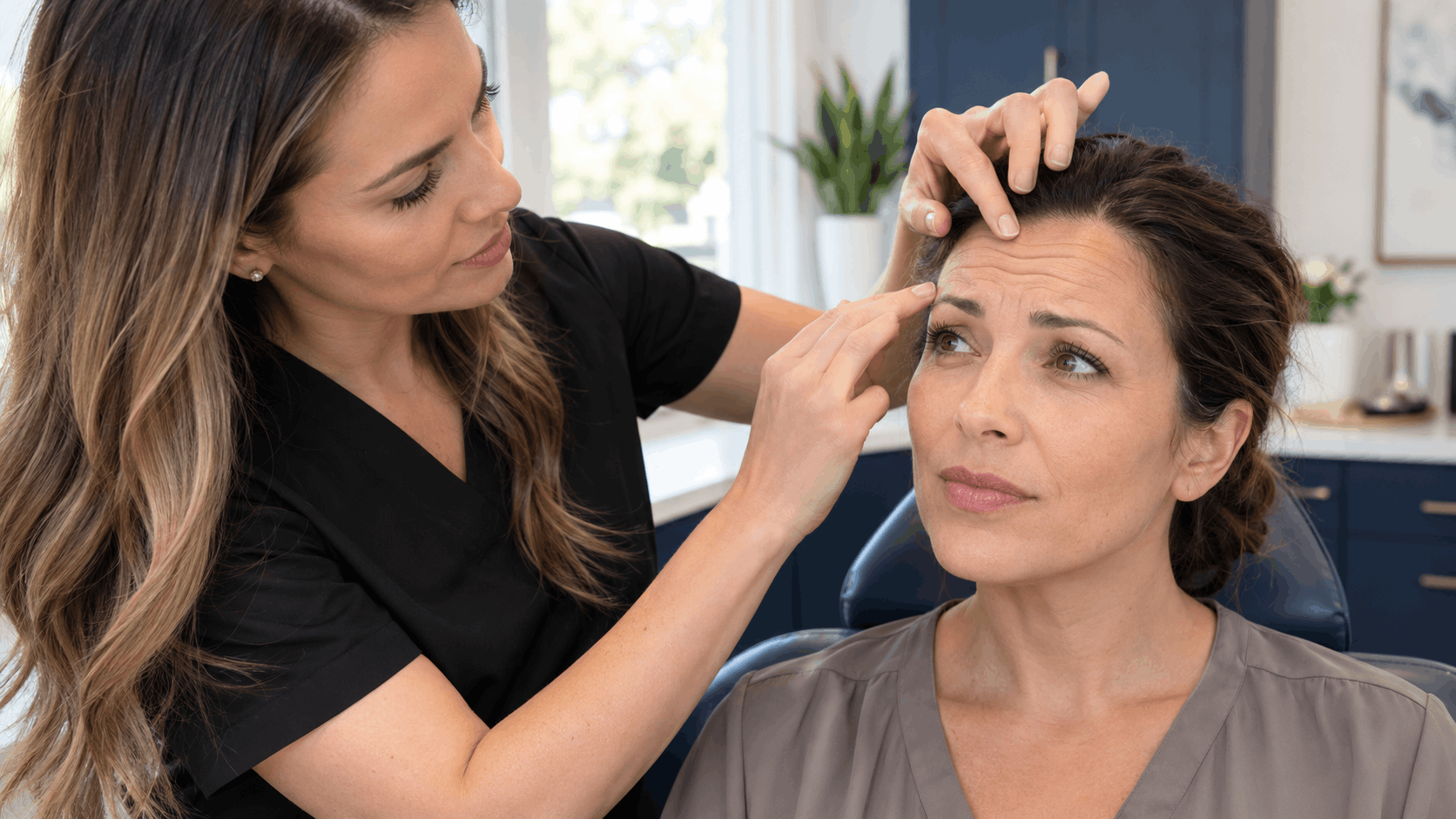

If you’re a 60 year old woman, you may have noticed changes that feel subtle at first—then suddenly undeniable. Energy levels aren’t what they used to be. Skin looks thinner or less firm. Body composition shifts, even if your diet hasn’t.
These changes are common among women over 60, but that doesn’t mean they’re random—or untreatable. Understanding what’s happening physiologically allows you to make informed decisions instead of assuming it’s “just aging.”
Let’s break down why energy, skin, and body composition change—and what a 60 year old woman can realistically do to feel strong, vibrant, and confident.
Jump To:
TLDR – Quick Guide
- Hormonal shifts continue even after menopause.
- Muscle mass naturally declines without strength training.
- Collagen production decreases, affecting skin firmness.
- Metabolism slows, altering body composition.
- Targeted nutrition, strength training, and medical guidance can help.
Why Energy Changes for a 60 Year Old Woman
Fatigue is one of the most common concerns among women over 60. But it’s rarely caused by “just getting older.”
Several factors contribute.
Hormonal Shifts Don’t Stop at Menopause
Even after menopause, hormones like estrogen, progesterone, and testosterone continue to fluctuate at lower levels. These hormones influence:
- Energy production
- Sleep quality
- Mood stability
- Muscle preservation
Lower estrogen levels can also affect mitochondrial function—the part of your cells responsible for energy production.
Muscle Loss Impacts Metabolism
After age 30, adults lose about 3–8% of muscle mass per decade. For a 60 year old woman, that cumulative muscle loss can significantly impact:
- Basal metabolic rate
- Blood sugar regulation
- Overall stamina
Less muscle means fewer calories burned at rest—and often more fatigue during activity.
Sleep Quality Changes
Women over 60 often report:
- Lighter sleep
- More nighttime awakenings
- Increased sensitivity to stress
Poor sleep compounds energy challenges and impacts hormone balance further.
If persistent fatigue interferes with daily life, evaluation through physician-guided wellness programs—such as those offered at Mirabile M.D. Beauty, Health & Wellness—can help identify hormonal, metabolic, or nutritional contributors.
Why Skin Changes in Women Over 60
Skin changes are often one of the most visible shifts for a 60 year old woman.
Collagen Production Declines
Collagen decreases approximately 1% per year after your 20s—and accelerates post-menopause.
This leads to:
- Thinner skin
- Fine lines and wrinkles
- Reduced elasticity
- Increased dryness
Lower estrogen also reduces natural oil production, contributing to dryness and texture changes.
Slower Cell Turnover
As we age:
- Skin regenerates more slowly
- Dead skin cells accumulate
- Complexion may appear dull
This isn’t just cosmetic. Skin becomes more fragile and prone to bruising.
Environmental Damage Accumulates
By age 60, decades of sun exposure may contribute to:
- Hyperpigmentation
- Uneven tone
- Loss of firmness
Advanced aesthetic treatments available through comprehensive medical and aesthetic services can address collagen loss and skin texture changes when lifestyle measures alone aren’t enough.
Why Body Composition Changes After 60
Many women over 60 notice fat distribution shifts—even if their weight remains similar.
Redistribution of Fat
After menopause, fat tends to shift toward:
- The abdomen
- The midsection
- The upper back
This occurs due to estrogen decline and insulin sensitivity changes.
Decreased Lean Muscle Mass
Loss of muscle impacts:
- Strength
- Posture
- Joint stability
- Metabolic efficiency
Without resistance training, muscle loss accelerates.
Insulin Sensitivity Changes
As women age, insulin sensitivity may decrease. This can lead to:
- Increased abdominal fat
- More difficulty losing weight
- Energy fluctuations after meals
Understanding these metabolic changes empowers a 60 year old woman to approach nutrition and exercise more strategically.
What Women Over 60 Can Do to Support Energy, Skin, and Body Composition
Aging doesn’t mean decline—it means adaptation.
Here’s where to focus:
Strength Training Is Non-Negotiable
Resistance training:
- Preserves muscle mass
- Supports bone density
- Boosts metabolism
- Improves insulin sensitivity
Even two to three sessions per week makes a difference.
Prioritize Protein Intake
Women over 60 often under-consume protein. Adequate intake supports:
- Muscle repair
- Skin structure
- Hormone production
Aim for balanced protein at every meal.
Support Hormonal Health
Hormonal balance affects:
- Energy
- Fat distribution
- Mood
- Sleep
For some women, medically supervised hormone support may be beneficial after thorough evaluation.
Invest in Skin Health
Combine:
- Sun protection
- Retinoids or collagen-stimulating ingredients
- Hydration
- Professional treatments when appropriate
Skin responds best to a multi-layered approach.
Manage Stress and Sleep
Chronic stress elevates cortisol, which may contribute to:
- Abdominal fat accumulation
- Fatigue
- Skin breakdown
Sleep hygiene, stress management, and physical activity work together to improve outcomes.
The Bigger Picture: Aging Is a Biological Process, Not a Personal Failure
For a 60 year old woman, changes in energy, skin, and body composition are biologically expected. But they are not untouchable.
Women over 60 can:
- Build strength
- Improve skin quality
- Restore metabolic efficiency
- Increase vitality
The key is recognizing that strategies at 30 don’t work the same at 60. Your physiology has evolved—so your plan should too.
Key Takeaways
- A 60 year old woman experiences hormonal, metabolic, and structural shifts.
- Women over 60 commonly notice changes in energy, skin elasticity, and fat distribution.
- Muscle loss and collagen decline play major roles.
- Strength training, protein intake, sleep, and medical evaluation can dramatically improve outcomes.
- Aging is dynamic—and with the right support, it can be empowering.
FAQs
Why does a 60 year old woman feel more tired than before?
Energy levels may decline due to hormonal shifts, muscle loss, and sleep changes. Lower estrogen affects energy production at the cellular level. Addressing strength, nutrition, and sleep can significantly improve vitality.
Why does body fat increase in women over 60?
After menopause, estrogen decline shifts fat storage toward the abdomen. Reduced muscle mass also lowers metabolic rate. Strategic strength training and protein intake can counteract this shift.
Can women over 60 rebuild muscle?
Yes, absolutely. Muscle responds to resistance training at any age. Consistent strength training helps restore lean mass and metabolic health.
Why does skin look thinner after 60?
Collagen production declines and cell turnover slows with age. Lower estrogen contributes to dryness and reduced elasticity. Targeted skincare and medical treatments can help stimulate collagen.
Is it too late for a 60 year old woman to improve her health?
No, it’s never too late. Women over 60 can improve strength, energy, and skin health with the right approach. Strategic lifestyle changes and medical guidance make meaningful differences.