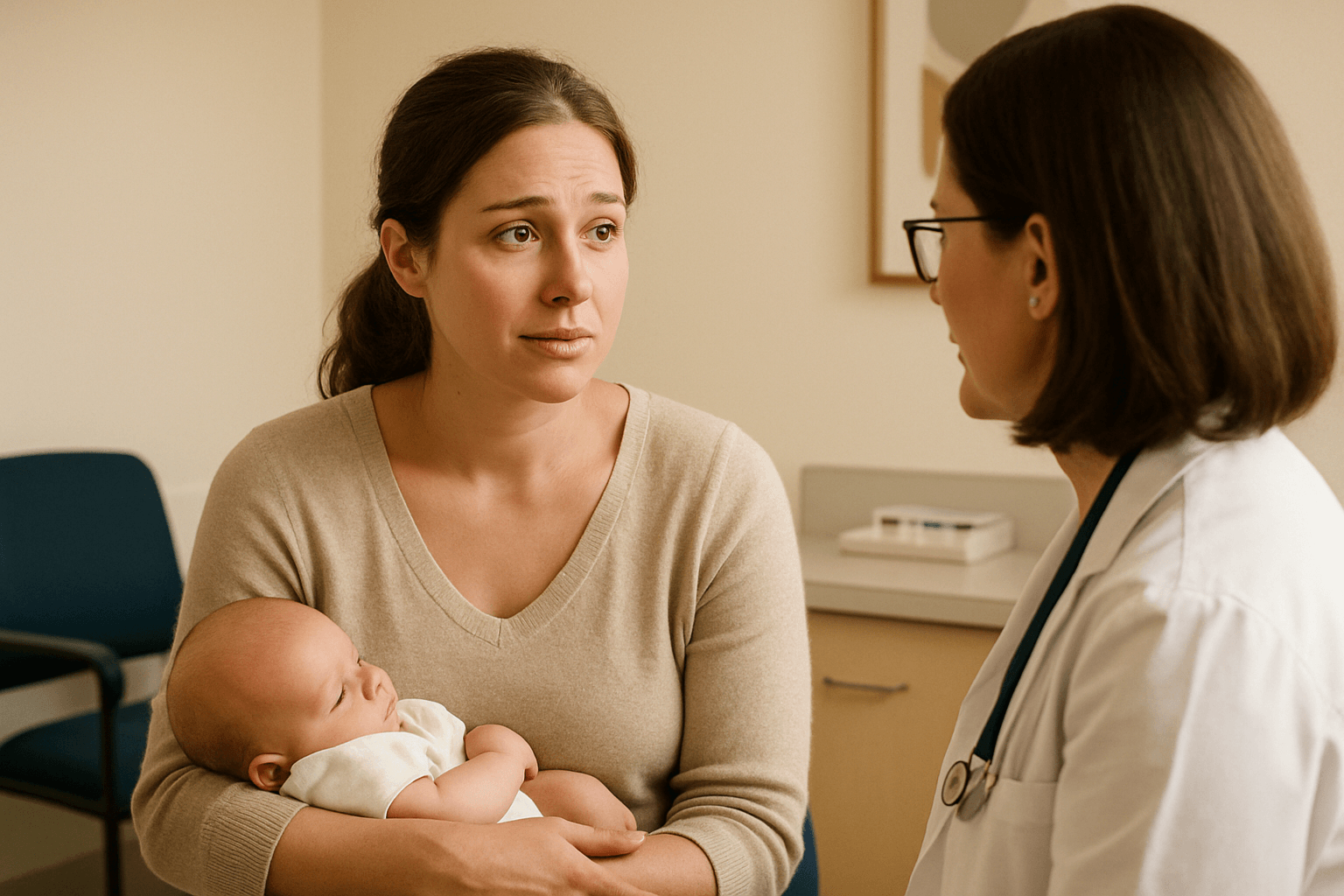

Bringing a new baby home should be a time of joy, but for many new moms, it’s also a time of unexpected physical and emotional challenges. Postpartum hormone imbalance can transform this period into an overwhelming experience, leaving women struggling with symptoms that often go unrecognized or misunderstood. Knowing how to spot, diagnose, and treat postpartum hormone imbalance empowers new moms to seek help early and reclaim their well-being.
Jump To:
TLDR – Quick Guide
- Symptoms: Mood swings, fatigue, anxiety, weight changes, and sleep disruption are common signs.
- Diagnosis: A combination of medical history, symptom tracking, and hormone lab tests provides clarity.
- Treatment: Solutions include lifestyle adjustments, nutritional support, counseling, and sometimes medical therapy.
- Why it matters: Early recognition and intervention can prevent long-term health effects.
- Reach out: No mom should struggle alone—professional support is available.
Detailed Breakdown
What Is Postpartum Hormone Imbalance?
During and after pregnancy, the body’s hormone levels shift dramatically. Estrogen, progesterone, and thyroid hormones can all fluctuate, sometimes falling rapidly after delivery. For some women, these changes lead to a persistent hormone imbalance that impacts physical, mental, and emotional health long after childbirth.
Symptoms of Postpartum Hormone Imbalance
Recognizing the signs is the first step to getting help. Common symptoms include:
- Mood swings or persistent sadness
- Anxiety or irritability
- Difficulty sleeping (even when the baby sleeps)
- Fatigue or brain fog
- Unexplained weight gain or loss
- Hair loss or skin changes
- Decreased libido
These symptoms can overlap with normal postpartum adjustment but may be more intense or long-lasting in cases of hormone imbalance.
Diagnosis: How Is Postpartum Hormone Imbalance Identified?
Accurate diagnosis involves:
- Medical history: Your provider will review symptoms and consider personal and family health background.
- Symptom tracking: Keeping a daily log helps distinguish patterns and severity.
- Lab testing: Blood work checks levels of key hormones like estrogen, progesterone, thyroid hormones, and sometimes cortisol.
An individualized assessment is crucial, as symptoms alone don’t always pinpoint the root cause.
Solutions: Treatment Options for New Moms
1. Lifestyle and Nutritional Support
- Prioritize sleep, hydration, and balanced nutrition to support natural hormone recovery.
- Light exercise, as cleared by your provider, can improve mood and energy.
2. Counseling and Support Groups
- Emotional health is as important as physical recovery. Counseling or postpartum support groups help moms feel understood and less isolated.
3. Medical Management
- In some cases, hormone therapy, thyroid medication, or other targeted treatments may be recommended to restore balance.
- Ongoing follow-up ensures that treatments are safe and effective as your body continues to heal.
4. Self-Compassion and Patience
- Recovery takes time. Recognizing that postpartum challenges are common—and treatable—reduces guilt and empowers action.
Key Takeaways
- Postpartum hormone imbalance is a common but often overlooked source of physical and emotional distress for new moms.
- Classic symptoms include mood changes, sleep trouble, fatigue, and shifts in weight or appetite.
- Diagnosis combines personal history, symptom tracking, and lab testing for a clear picture.
- Treatment options span lifestyle, nutrition, counseling, and, when needed, medical therapies.
- Seeking help early can dramatically improve recovery and quality of life.
Frequently Asked Questions
1. How soon after birth can postpartum hormone imbalance appear?
Symptoms may begin within days to weeks of delivery, but some women develop signs months later as hormone levels continue to fluctuate.
2. Can postpartum hormone imbalance resolve on its own?
Some mild imbalances may improve as the body readjusts, but persistent or severe symptoms benefit from medical evaluation and support.
3. What’s the difference between postpartum hormone imbalance and postpartum depression?
Hormone imbalance can contribute to postpartum depression, but not all mood changes are purely hormonal. Diagnosis and treatment often require a holistic approach.
4. Is hormone therapy safe while breastfeeding?
Certain therapies are safe for breastfeeding mothers, but recommendations depend on your unique health needs and should be discussed with your provider.
5. When should I seek help for postpartum symptoms?
If symptoms interfere with daily functioning, relationships, or your ability to care for your baby, reach out promptly to a healthcare provider.