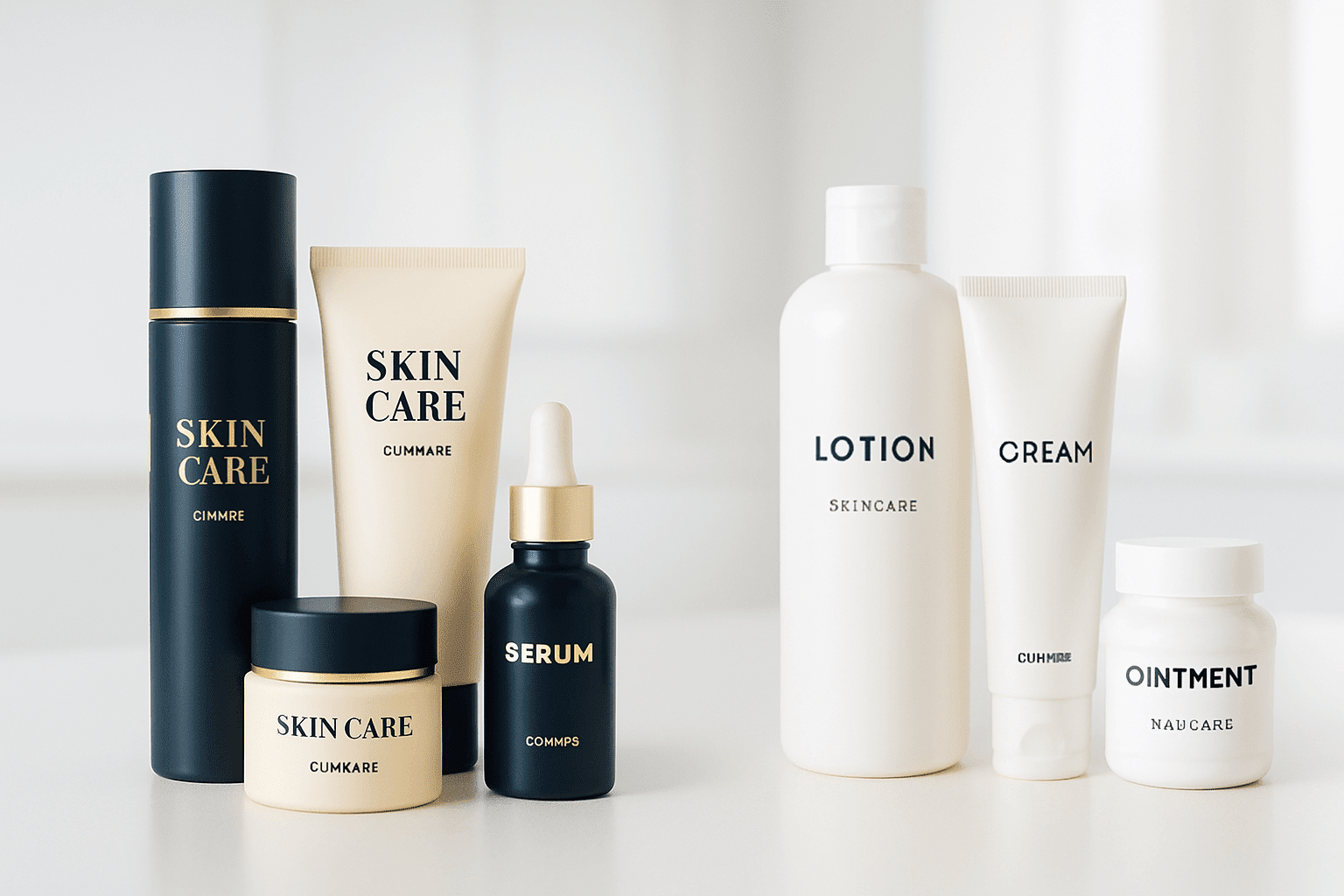
Walk down any beauty aisle and you’ll find endless options promising clearer, younger-looking skin—at every price point. But is it worth investing in medical-grade skincare, or can you get the same results from drugstore brands? The debate around medical-grade skincare vs. drugstore brands is more than skin deep. Here’s what you need to know to make the best choice for your unique complexion.
Jump To:
TLDR – Quick Guide
- Ingredients: Medical-grade products use higher concentrations of active ingredients, often backed by clinical studies.
- Formulation: Drugstore brands may focus on texture and fragrance, while medical-grade lines prioritize skin-changing results.
- Access: Medical-grade skincare typically requires a provider’s recommendation and can address more complex skin issues.
- Cost: Drugstore brands are budget-friendly but may take longer to show results or require more frequent use.
- Best for: If you have stubborn skin problems or want measurable improvement, medical-grade may be worth the investment.
Detailed Breakdown
What Defines Medical-Grade Skincare?
Medical-grade skincare is formulated to penetrate deeper into the skin, using clinically tested ingredients in concentrations that can deliver visible, lasting results. These products are usually sold through medical practices, such as dermatology or aesthetic clinics, and are often paired with expert guidance to ensure safety and effectiveness.
Key Features of Medical-Grade Skincare:
- Higher percentage of active ingredients like retinoids, vitamin C, peptides, and growth factors.
- Undergoes rigorous clinical testing for efficacy and safety.
- Targets specific skin concerns, including aging, acne, hyperpigmentation, and rosacea.
- Backed by scientific research and frequently prescribed alongside professional treatments.
How Do Drugstore Brands Compare?
Drugstore skincare brands are more widely available and generally more affordable. These products are regulated for safety but contain lower concentrations of active ingredients to reduce the risk of irritation for the general public. While many can deliver noticeable benefits, they often require consistent, longer-term use to see results.
What to Expect from Drugstore Brands:
- Mild, generally non-irritating formulations suitable for most skin types.
- Accessible price points, making them a popular starting point.
- Effective for routine cleansing, moisturizing, and basic sun protection.
- Less potent actives, so more stubborn concerns may not respond as quickly.
Is There Really a Difference?
Yes—the key differences come down to ingredient strength, clinical evidence, and the level of personalization. Medical-grade skincare is designed to change the skin at a cellular level, while drugstore brands focus on supporting daily skin health with gentle, approachable formulations.
- Results: Medical-grade products often produce faster, more dramatic results for stubborn or advanced concerns.
- Customization: Providers can tailor a medical-grade routine to your exact needs, while drugstore options require more trial and error.
- Long-Term Benefits: Medical-grade lines may help prevent future damage with ongoing professional oversight.
Key Takeaways
- Medical-grade skincare vs. drugstore brands isn’t just a matter of price—ingredient quality, concentration, and clinical support set them apart.
- Medical-grade options are best for targeting complex concerns and are backed by science.
- Drugstore brands are ideal for basic routines or those with sensitive skin and simpler needs.
- Professional guidance makes a significant difference in choosing and using medical-grade skincare safely.
- The best choice depends on your goals, budget, and how quickly you want to see change.
Frequently Asked Questions
1. Can drugstore skincare be effective?
Yes, many drugstore products are excellent for cleansing, hydrating, and protecting your skin. They’re particularly well-suited for mild concerns or as an introduction to skincare routines.
2. Are medical-grade products safe for sensitive skin?
While medical-grade products use potent actives, they’re often paired with soothing ingredients and are designed to be safe when used as directed. A provider can help you choose the right formulations for sensitive skin.
3. Do I need a prescription for medical-grade skincare?
Some medical-grade products require a prescription, but many are available through aesthetic clinics without one. Expert consultation is always recommended for best results.
4. Is the higher cost of medical-grade skincare justified?
For stubborn or advanced skin issues, the results and long-term benefits can justify the higher investment. If you want measurable improvement and oversight, medical-grade options are often worth it.
5. Can I combine medical-grade and drugstore products?
Absolutely. Many people use drugstore cleansers or moisturizers alongside targeted medical-grade treatments. A provider can help you build a routine that blends both effectively.