Blackheads aren’t just a teenage problem. In fact, many adults—especially those over 30—deal with stubborn blackheads long after they thought puberty was behind them. And unlike teen acne, adult blackheads are often more resistant, deeper in the pores, and tied to aging skin and changing hormones.
So if scrubs, strips, and expensive cleansers aren’t doing the trick, it’s natural to start wondering: could microneedling for blackheads be the game-changer?
The short answer? Yes—for the right person. Let’s break down how microneedling works, who benefits most from it, and when other options may be better for your skin.
Jump To:
TLDR – Quick Guide
- Microneedling can improve blackheads by shrinking pores, boosting skin turnover, and enhancing product absorption.
- It works best for adults with mild to moderate congestion, enlarged pores, or texture issues—not inflamed acne.
- Results take multiple sessions and are best when combined with a solid skincare regimen.
- It’s a great option for adults looking to treat blackheads and aging skin at the same time.
- Clinics like Mirabile M.D. offer customized microneedling plans for adult skin health.
Why Adults Get Stubborn Blackheads
Blackheads are a type of clogged pore—or “open comedone”—that forms when oil and dead skin cells block a hair follicle. Unlike whiteheads, blackheads remain open to the air, which causes the contents to oxidize and turn dark.
So why do adults get them?
- Slower skin cell turnover: As we age, dead skin builds up more easily, blocking pores.
- Hormonal shifts: Fluctuations in estrogen or testosterone (hello, perimenopause and stress) can increase oil production.
- Product overload: Many adults use heavy anti-aging products that can clog pores without realizing it.
- Environmental damage: Sun damage and pollution weaken the skin barrier, leading to more congestion.
Adult blackheads are often more stubborn than teen breakouts, and they rarely respond well to drugstore treatments. That’s where microneedling becomes a viable, non-invasive option.
How Microneedling Helps With Blackheads
Microneedling, or collagen induction therapy, uses tiny sterile needles to create micro-channels in the skin. This triggers the body’s natural healing process, boosting collagen production and improving overall skin texture. But it does more than just rejuvenate.
Here’s how it helps with blackheads:
- Improves skin cell turnover so dead cells are cleared more efficiently.
- Shrinks enlarged pores, making them less likely to trap oil and debris.
- Enhances the absorption of active serums like salicylic acid or niacinamide, which target congestion more effectively.
- Reduces oiliness over time, especially when combined with proper home care.
While microneedling doesn’t physically extract blackheads like a facial or HydraFacial might, it changes the environment of your skin, making it less prone to developing them in the first place.
Who Benefits Most From Microneedling for Blackheads
1. Adults With Mild to Moderate Congestion
If you struggle with occasional blackheads—especially around the nose, chin, or cheeks—and nothing topical has worked long-term, microneedling could be a smart next step. It’s ideal for reducing blackhead frequency and improving the look of enlarged pores and dull skin.
2. People With Textured or Aging Skin
If your blackheads are part of a bigger story—like rough texture, fine lines, or uneven tone—microneedling is a two-for-one win. It not only helps prevent future breakouts but also boosts elasticity, brightness, and smoothness.
At Mirabile M.D., microneedling is often recommended to adults seeking both cosmetic rejuvenation and pore management, making it one of the most versatile aesthetic treatments available.
3. Patients Looking for a Non-Chemical Approach
If you’re sensitive to acids, peels, or harsh exfoliants, microneedling offers a mechanical alternative. There’s no risk of chemical irritation, and the recovery is mild—just a few days of redness and sensitivity.
4. Adults With Combination Skin
Blackheads in your T-zone, dry cheeks, and occasional breakouts? Welcome to the adult skin dilemma. Microneedling can help normalize skin function across different zones, reduce oil in some areas, and boost hydration and healing in others.
When Microneedling Isn’t the Best Option
While microneedling is incredibly effective for many adult skin concerns, it’s not for everyone.
Avoid microneedling if:
- You have active acne, cysts, or rosacea flare-ups.
- Your blackheads are severe and widespread.
- You want immediate extraction results before an event (a facial is better for that).
- You’re currently taking isotretinoin or other skin-thinning medications.
In these cases, you may benefit more from:
- Professional extractions
- Chemical peels
- Medical-grade facials
- Prescription topicals
Clinics like Mirabile M.D. offer these options as part of a customized skincare plan.
What to Expect From a Microneedling Treatment
1. Consultation
You’ll meet with a licensed aesthetic provider to discuss your skin history, current concerns, and long-term goals. They’ll assess your skin type, pore size, and congestion level to ensure microneedling is the right approach.
2. Treatment Day
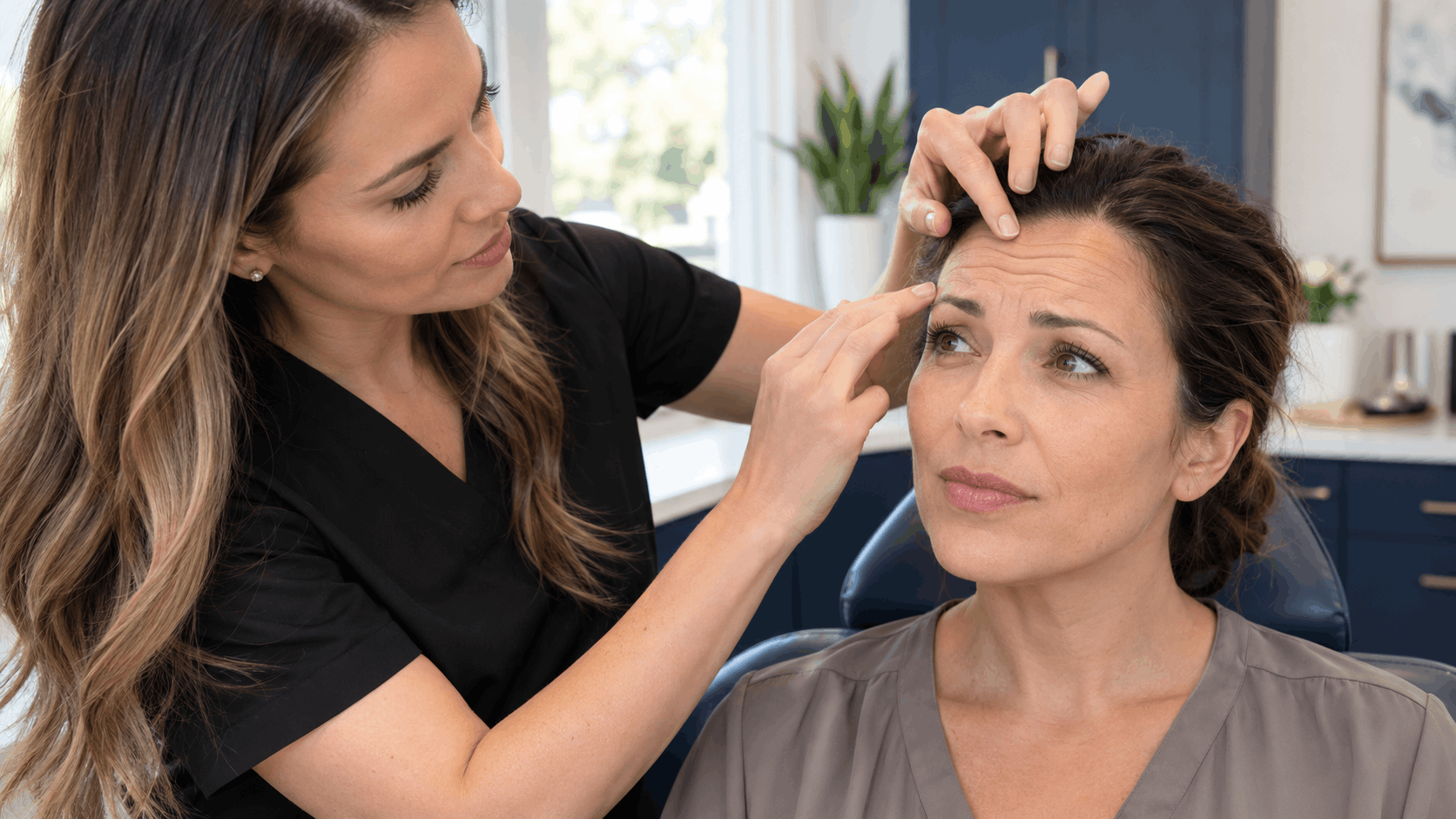
Your skin is cleansed, a numbing cream is applied, and then the microneedling device is passed across your face. You might feel mild pressure or tingling, but discomfort is minimal.
Depending on your skin needs, your provider may infuse a serum post-treatment—like hyaluronic acid or a brightening antioxidant—to amplify results.
3. Aftercare
Expect some redness for 24–48 hours, along with mild dryness or sensitivity. You’ll need to:
- Avoid makeup for 24 hours
- Stay out of the sun for a few days
- Use only gentle, hydrating skincare during recovery
- Avoid exfoliants or retinoids until your provider gives the green light
How Many Sessions Are Needed?
While results begin to show after one session, most patients need 3–4 microneedling treatments spaced 4–6 weeks apart for best results. Over time, skin becomes smoother, more even, and less prone to congestion.
To maintain results, some patients return every 3–6 months as part of their long-term skincare plan.
Key Takeaways
- Microneedling for blackheads works best on adult skin with mild congestion and other aging-related concerns.
- It improves pore size, boosts exfoliation, and enhances skincare absorption—making it ideal for prevention.
- The treatment is especially effective when combined with custom skincare, hydration, and a healthy skin barrier.
- Clinics like Mirabile M.D. offer expert guidance on whether microneedling or another treatment is right for your blackhead-prone skin.
- As always, the best results come from a personalized approach—not a one-size-fits-all treatment.
FAQs
1. Will microneedling remove blackheads immediately?
No. It doesn’t physically extract blackheads but helps prevent future ones by improving pore health and skin turnover. For immediate results, extractions or facials are better.
2. Is microneedling safe for mature skin?
Yes. In fact, it’s often recommended for adults looking to treat both blackheads and signs of aging. It stimulates collagen without damaging the skin barrier.
3. How many sessions do I need?
Most people benefit from 3–4 sessions spaced about a month apart. You’ll see gradual improvements in texture, pore size, and blackhead frequency over time.
4. Can I combine microneedling with other treatments?
Absolutely. Many patients combine it with facials, peels, or customized skincare. Your provider can build a full plan based on your skin goals.
5. Is there any downtime?
You’ll experience mild redness for 1–2 days and slight dryness or sensitivity. Most people resume normal activities within 24 hours.