You’ve got a solid skincare routine. You eat pretty clean. And yet, deep, painful breakouts still show up—especially around your jawline, chin, or neck—and they don’t respond to your usual spot treatments.
Welcome to the frustrating world of adult cystic acne.
While acne is often dismissed as a teenage problem, cystic acne in adults is a very different beast. It’s more persistent, more hormonal, more inflammatory—and it doesn’t care how much salicylic acid you slather on.
If you’re dealing with underground breakouts that seem immune to drugstore solutions, this guide is for you. Let’s break down why cystic acne happens in adults and what actually works to calm it—for good.
Jump To:
TLDR – Quick Guide
- Cystic acne is deeper, more painful, and harder to treat than surface pimples.
- Adult cases are usually linked to hormonal fluctuations, stress, or underlying imbalances—not poor hygiene.
- Over-the-counter products rarely work; real relief comes from medical-grade treatments and internal balancing.
- Skincare, hormone therapy, and lifestyle changes all play a role in managing flare-ups.
- At clinics like Mirabile M.D., adult acne is treated with a personalized, whole-body approach—not just a topical cream.
What Is Cystic Acne, Exactly?
Cystic acne is the most severe form of acne. It occurs when pores become deeply clogged with oil, dead skin, and bacteria—leading to intense inflammation under the skin’s surface. Unlike whiteheads or blackheads, these breakouts don’t come to a head. Instead, they manifest as:
- Painful, swollen lumps
- Red or purple nodules
- Breakouts that last for weeks (or months)
- Scarring—even if you don’t pick
In adult skin, cystic acne most often appears along the jawline, chin, neck, and lower cheeks. It’s not just unsightly—it can be painful, embarrassing, and emotionally draining.
Why Adults Get Cystic Acne (Even With Great Skincare)
If you’re doing everything “right” and still breaking out, the culprit is probably internal. Common adult acne triggers include:
1. Hormonal Fluctuations
Perimenopause, PCOS, thyroid disorders, and even monthly cycle changes can throw off your androgen levels. These hormones increase oil production, creating the perfect environment for deep inflammation.
2. Chronic Stress
Stress increases cortisol, which in turn spikes oil production and inflammation—key players in cystic acne. If your skin always flares up during high-stress times, this is likely a major factor.
3. Diet and Gut Health
High glycemic foods, dairy, and gut imbalances can trigger systemic inflammation that shows up on your skin. That’s why cystic acne isn’t just a skincare issue—it’s a metabolic and hormonal one.
4. Poor Sleep or Recovery
Lack of restorative sleep prevents skin from healing and raises stress hormones, prolonging inflammation and triggering new breakouts.
What Doesn’t Work (And May Make It Worse)
Before we dive into treatments, let’s clarify what won’t help cystic acne:
- Over-washing your face: This strips your skin barrier, causing more oil production.
- Picking or popping: Cystic acne is too deep to extract manually, and squeezing increases scarring.
- Relying only on salicylic acid or benzoyl peroxide: These help with surface acne, but cystic inflammation is deeper and needs a systemic solution.
- Trying 10 new products at once: This can confuse your skin and make matters worse.
What Does Work for Cystic Acne in Adults
1. Medical Evaluation and Hormone Testing
Before choosing a treatment plan, it’s critical to evaluate your hormone levels. Many adult cystic acne cases are linked to estrogen dominance, low progesterone, elevated testosterone, or thyroid dysfunction. Clinics like Mirabile M.D. specialize in hormonal analysis and personalized treatment plans for women and men.
2. Prescription Therapies
- Topical retinoids: These promote cell turnover and help prevent new breakouts.
- Oral medications: For severe cases, dermatologists may recommend antibiotics or spironolactone (a hormone-modulating drug).
- Hormone therapy: If your acne is tied to perimenopause or PCOS, bio-identical hormone replacement therapy (BHRT) can rebalance your system from the inside out.
3. Professional Skin Treatments
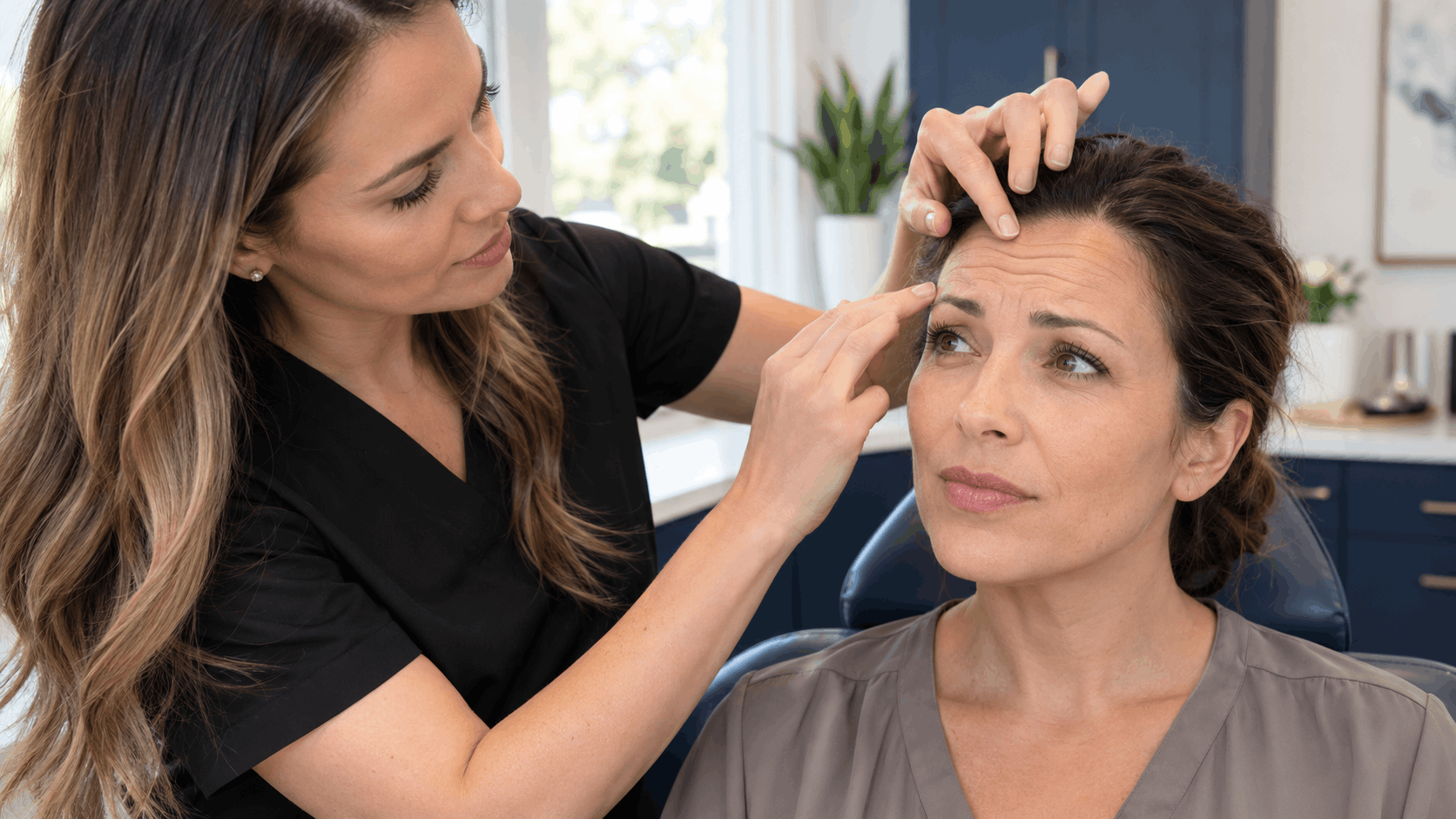
In-office treatments can dramatically reduce inflammation and help prevent scarring:
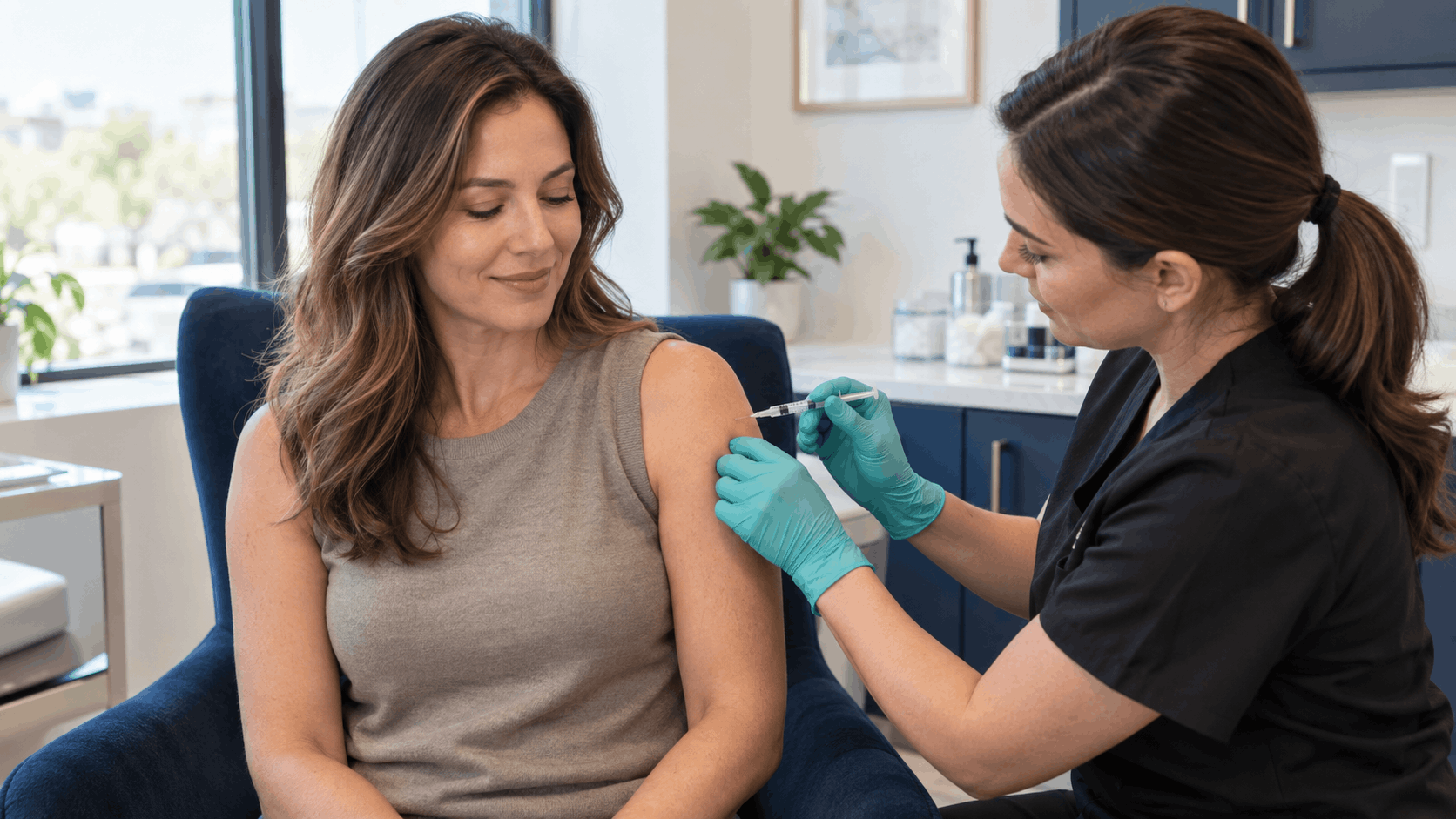
- Cortisone injections: Shrink deep cysts quickly.
- Laser therapy or light-based treatments: Reduce bacteria and inflammation.
- Medical facials or extractions: Gently clear congestion without trauma.
- Microneedling: Especially useful for acne scars and skin texture after active breakouts are controlled.
Clinics like Mirabile M.D. offer many of these as part of a tailored skin treatment plan.
4. Lifestyle & Supplement Support
- Reduce dairy and high-sugar foods to calm internal inflammation.
- Consider zinc, omega-3s, and probiotics to support skin and gut health.
- Manage stress through yoga, therapy, or mindfulness.
- Prioritize sleep—7–8 hours of uninterrupted rest is critical for hormone and skin repair.
While these aren’t overnight fixes, they set the foundation for long-term healing.
How to Prevent Cystic Acne From Returning
- Stick to non-comedogenic skincare and avoid harsh exfoliants.
- Stay consistent—switching products too often can backfire.
- Address root causes, not just surface symptoms. If your breakouts come in predictable cycles or worsen during stress, it’s probably hormonal.
- Partner with a provider who understands how to treat acne holistically, not just topically.
Key Takeaways
- Cystic acne in adults is different from teen breakouts—it’s deeper, hormonal, and often resistant to surface treatments.
- Real results come from medical evaluation, hormone balancing, and targeted in-office treatments.
- Surface-level skincare can support results, but internal health is the key to long-term clear skin.
- At Mirabile M.D., cystic acne is treated with a full-body approach that includes hormone testing, advanced skin therapies, and lifestyle support.
- If you’re struggling with painful, persistent breakouts, don’t go it alone—get evaluated and get a plan.
FAQs
1. Can adults get cystic acne for the first time in their 30s or 40s?
Yes. Hormonal shifts during perimenopause, post-pregnancy, or stress-induced imbalances can trigger adult-onset cystic acne—especially in women.
2. Will my cystic acne go away on its own?
Sometimes it can calm down temporarily, but without treating the root cause, it usually returns. Medical evaluation is recommended for recurring cases.
3. Is cystic acne a sign of a hormone problem?
Often, yes. Many cases are linked to elevated androgens, estrogen imbalance, or thyroid issues. Lab testing can help uncover the exact hormonal cause.
4. What’s the best skincare product for cystic acne?
No single product solves cystic acne alone. However, retinoids, sulfur-based treatments, and non-comedogenic moisturizers can support your routine. Professional treatments are usually needed for full relief.
5. Will cystic acne leave scars?
If left untreated—or picked—it can lead to deep scarring. That’s why early intervention with professional care is so important.